
THE RESORT
Introduction
Hakuba Valley is where Olympic heritage meets Japan's deepest powder — a collection of ten distinct ski resorts beneath the dramatic peaks of the Northern Alps.
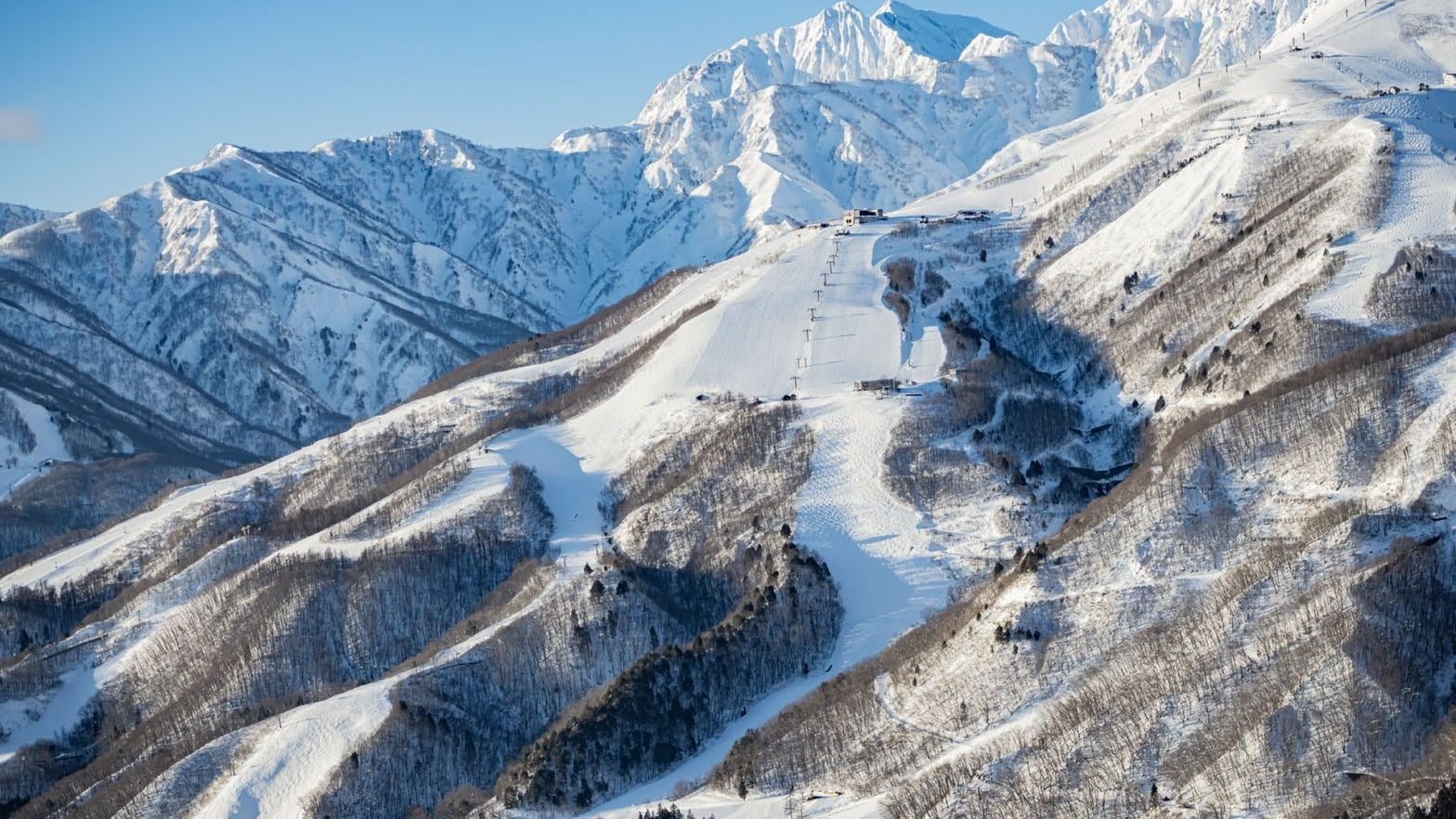
Set in Nagano Prefecture beneath the soaring peaks of the Japanese Northern Alps, Hakuba Valley is one of Asia's premier winter destinations. Host of the 1998 Winter Olympic alpine and ski jumping events at Happo-One, the valley has earned a global reputation for exceptional snow quality, diverse terrain and authentic Japanese culture.
Unlike a single mega-resort, Hakuba Valley comprises ten separate ski resorts — linked by the Hakuba Valley All-Mountain Pass and seasonal shuttle services, but each with its own character, terrain mix and village atmosphere. From the Olympic-scale alpine descents of Happo-One to the deep powder tree runs of Cortina, and from the family-friendly slopes of Jigatake to the terrain parks of Hakuba47, there is a resort for every member of your group.
The valley sits in one of the snowiest corridors on earth. Cold Siberian air masses pick up moisture over the Sea of Japan and deposit it as light, dry powder across the Northern Alps — the phenomenon skiers worldwide know as JaPow. Average annual snowfall is around 500 cm.
Mountain Statistics
Resorts
10 separate ski areas
Valley Elevation Range
703 m – 1,831 m
Greatest Vertical (Happo-One)
1,071 m
Courses
200+ across the valley
Longest Run
Up to 8 km
Average Snowfall
500 cm
Lifts
~90+ across all resorts
Season
Mid-December to early May
Daily Hours
Vary by resort — typically 8:00–17:00
Olympic Heritage
1998 Nagano Winter Olympics
THE EXPERIENCE
Why Hakuba?
Deep powder. Olympic terrain. Ten resorts in one valley. And an onsen waiting at the end of every day.
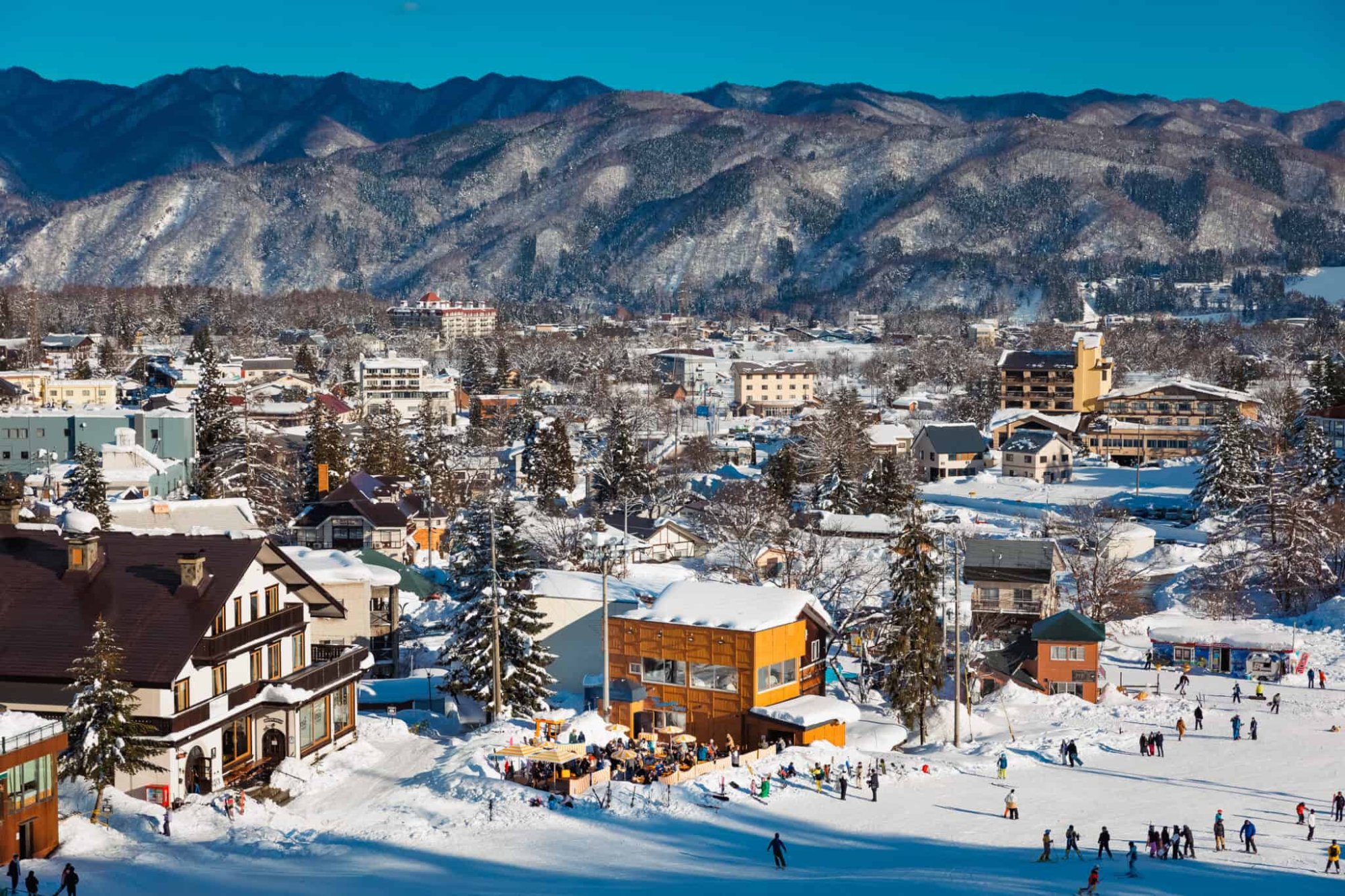
Legendary JaPow
Hakuba sits in the path of moisture-laden Siberian weather systems crossing the Sea of Japan. The result is some of the lightest, driest powder snow on earth — regularly measured in metres, not centimetres.
Ten Resorts, One Pass
The Hakuba Valley All-Mountain Pass unlocks ten distinct ski resorts. Spend each day at a different mountain — from Happo-One's steep Olympic runs to Cortina's powder-laden trees to Jigatake's gentle family slopes. No other destination in Japan offers this variety in one valley.
Olympic Pedigree
Happo-One hosted the alpine events of the 1998 Nagano Winter Olympics. The legacy lives on in world-class infrastructure, challenging terrain and an unmistakable sense of mountain heritage.
Perfect for Groups & Families
With resorts ranging from dedicated beginner terrain at Jigatake and Tsugaike to expert-only terrain at Happo-One and Cortina, mixed-ability groups can ski together or split up and reunite at day's end. English-language ski schools and kids' programs are widely available.
Onsen Culture
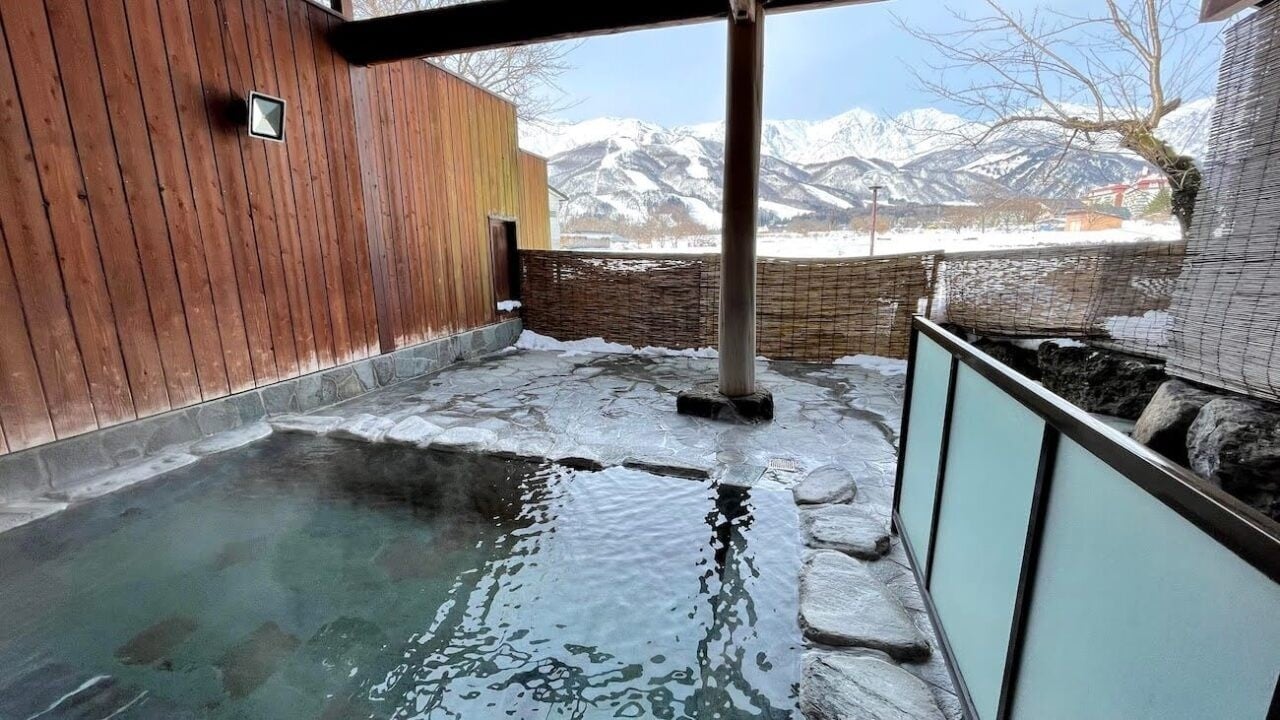
After a day on the slopes, soak in one of the valley's many natural hot springs (onsen). From intimate outdoor rotenburo to public bath houses, the onsen experience is uniquely Japanese and deeply restorative.
Cultural Immersion
Hakuba delivers an authentic Japanese experience that few Western ski resorts can match. Traditional izakaya dining, ramen shops, sake tastings, temple visits, and the famous snow monkeys of Jigokudani are all within reach.
Outstanding Value
Compared to European and North American ski resorts, Hakuba offers excellent value. Lift passes, accommodation, dining and equipment rental are typically 30–50% less expensive than comparable Alpine or Rocky Mountain destinations.
TRAVEL
Getting There
From Sydney to snow in under 24 hours — via Tokyo's world-class Shinkansen and a scenic alpine bus ride through the Japanese Alps.
From Australia
Fly from Sydney, Melbourne, Brisbane or Perth to Tokyo (Narita or Haneda). Direct flights operate from Sydney, with connections via major Asian hubs from other cities. Flight time is approximately 9–10 hours.
Tokyo to Nagano by Shinkansen
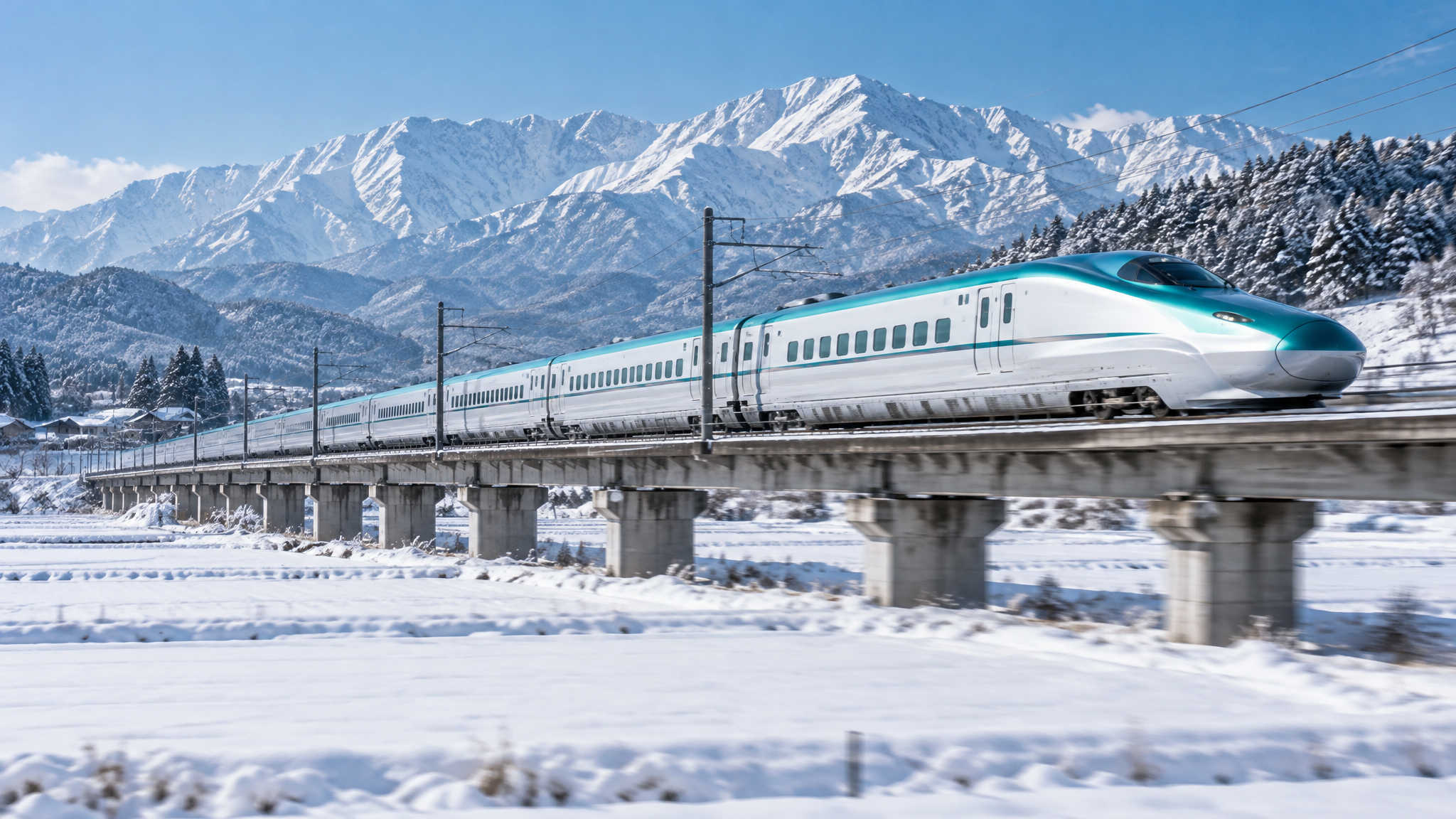
From Tokyo Station or Ueno, take the Hokuriku Shinkansen (bullet train) to Nagano Station. The journey takes approximately 80–100 minutes and offers spectacular views of the Japanese countryside. Trains depart frequently throughout the day. A great option if you are staying in Tokyo overnight.
Nagano to Hakuba by Bus or Taxi
There are several options from Nagano Station to Hakuba. An express bus takes around 1 hr and operates several times a day. Private transfer may work better for families or larger groups.
- Nagano Station to Hakuba: ~60–70 minutes
- Some services reservation-only, others first-come
- Luggage allowances apply — check before travel
Direct Airport Transfers
Seasonal shared and private coach transfers operate between Narita/Haneda airports and Hakuba, taking approximately 5–6.5 hours. These suit families and groups carrying equipment. Private transfers offer door-to-door flexibility. Book around confirmed flight times.
Getting Around the Valley
Seasonal valley shuttles connect all ten resorts and key accommodation areas. A valid All-Mountain Pass has historically included daytime valley shuttle travel on skiing days. Night buses, shared demand taxis and regular taxis serve the evening. Accommodation near a shuttle stop simplifies daily logistics considerably.
The Hakuba Valley Shuttle Bus connects the major resorts — check the timetable at https://www.hakubavalley.com/en/access_en/shuttlebus_en/ (updated annually, operates December through end of March).
ORIENTATION
The Resorts
Ten resorts, ten personalities — from Olympic alpine to family fun, powder playgrounds to terrain parks.
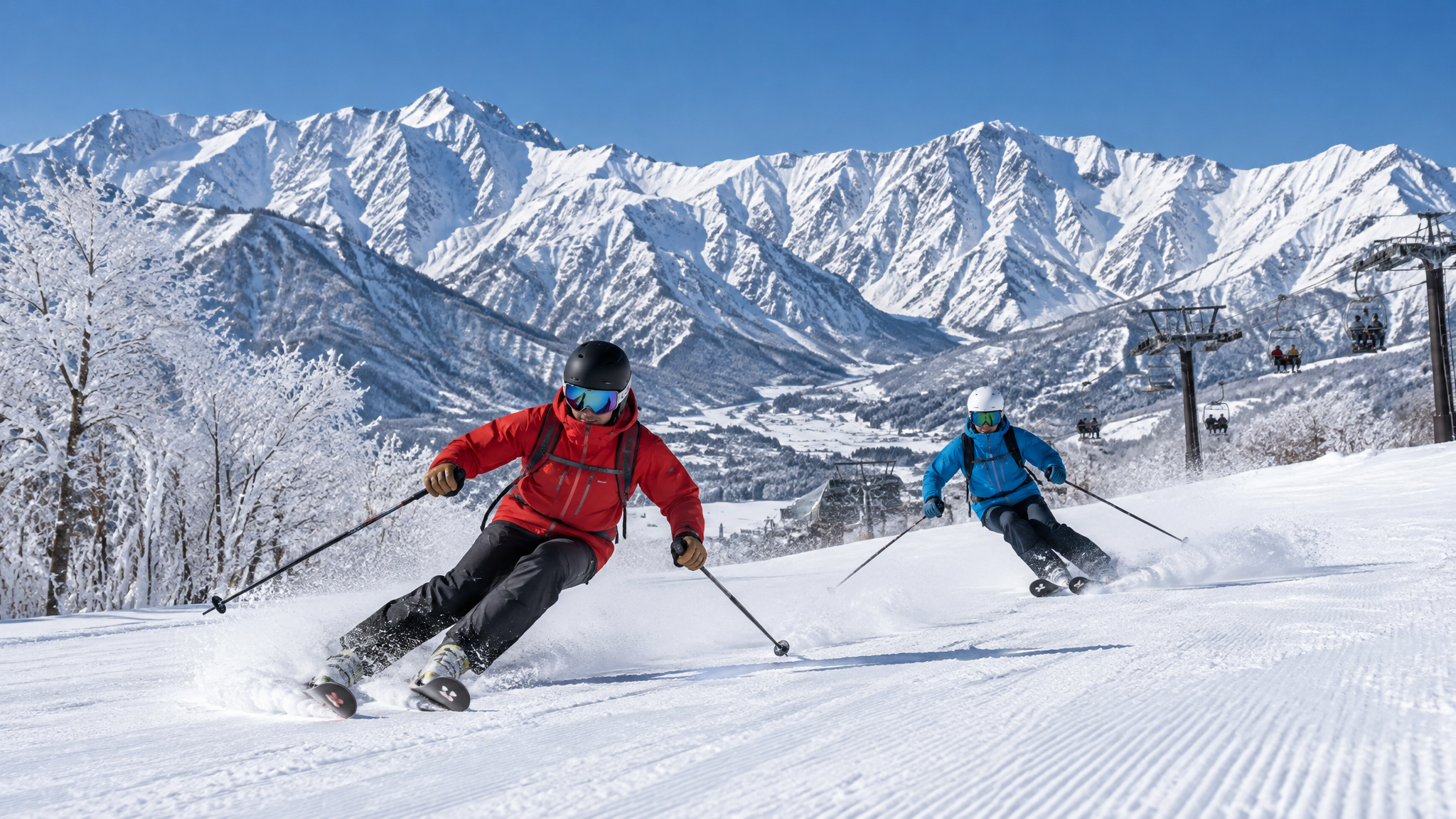
Happo-One
Base 760 m · Summit 1,831 m · Vertical 1,071 m · 16 trails
The valley's flagship resort and host of the 1998 Olympic alpine events. Steep, sustained descents with stunning views from the summit. Best for confident intermediates and advanced skiers, with selected beginner terrain available.
Hakuba47
Base 820 m · Summit 1,614 m · Vertical 794 m · 8 trails
Known for its terrain park, north-facing slopes and registered Open Tree Zone. Best for park riders, intermediates and advanced riders. Lift-connected to Goryu.
ABLE Hakuba Goryu
Base 750 m · Summit 1,676 m · Vertical 926 m · 15 trails
Three principal areas — Alps-daira, Toomi and Iimori — with beginner terrain, advanced sections and night skiing. Best for mixed-ability groups and families. Lift-connected to Hakuba47.
Hakuba Cortina
Base 872 m · Summit 1,402 m · Vertical 530 m · 16 trails
Associated with deep powder and tree skiing with an integrated resort hotel at the base. Best for powder-focused skiers and riders seeking Japan's famous JaPow.
Hakuba Iwatake
Base 750 m · Summit 1,289 m · Vertical 539 m · 13 trails
Renowned for spectacular panoramic views and varied groomed terrain. Best for sightseeing, mixed abilities and groups combining skiing with scenic activities.
Tsugaike Kogen
Base 800 m · Summit 1,704 m · Vertical 904 m · 11 trails
Wide, gentle lower slopes alongside more challenging upper terrain and park features. Best for beginners, low intermediates and families.
Kashimayari
Base 830 m · Summit 1,320 m · Vertical 490 m · 12 trails
Family-focused facilities including a dedicated children's adventure area. Best for children, beginners and family groups.
Hakuba Norikura Onsen
Base 800 m · Summit 1,598 m · Vertical 798 m · 14 trails
A quieter resort in a separate valley near Cortina, with access to English-language instruction. Best for travellers seeking a peaceful alternative.
Jigatake
Base 940 m · Summit 1,200 m · Vertical 260 m · 7 trails
Approximately 70% beginner terrain with children's facilities and tree runs near the summit. Best for first-timers and young families.
White Resort Hakuba Sanosaka
Base 740 m · Summit 1,200 m · Vertical 460 m · 10 trails
Scenic Lake Aoki views and a balance of beginner and intermediate terrain. Best for progressing skiers and relaxed cruising.
PLANNING
Lift Passes
The Hakuba Valley All-Mountain Pass provides access to all ten resorts in the valley. It does not make the resorts lift-connected — travel between most areas requires a shuttle, taxi or private vehicle.
The All-Mountain Pass includes:
- Happo-One
- Goryu
- Hakuba47
- Tsugaike
- Iwatake
- Cortina
- Norikura
- Sanosaka
- Kashimayari
- Jigatake
Nine resorts use a common automated gate system. Jigatake has historically required guests to exchange the valley pass for a day ticket at a different location — verify this before travelling.
A valid All-Mountain Pass has historically included daytime valley shuttle travel on skiing days. Night skiing and night transport are not included. Multi-day validity rules, complimentary child policies, card deposits and resort-specific exceptions can change each season.
PLANNING
Rentals
Quality equipment from multiple outlets across the valley — reserve early for peak season dates.
Travelplan works with three leading rental networks across the valley:
Rhythm Japan
Premium fleet with automatic gear insurance included, unlimited free swaps during your stay, custom boot-fitting service, and fast-track afternoon-before pickup so your gear is ready to go on day one.
Hakuba Central Snowsports
Concierge-style service with door-to-door shuttle delivery, three strategically placed base shops (Gondola, Sakka and Echoland), and on-mountain gear swap capability if conditions change.
Spicy Rentals
Five valley-wide stores with ski-in/ski-out convenience at Iwatake and Tsugaike, and inter-resort support across the valley.
PLANNING
Snow School
English-speaking instructors across the valley — from first-timers to powder clinics, kids' clubs to private coaching.
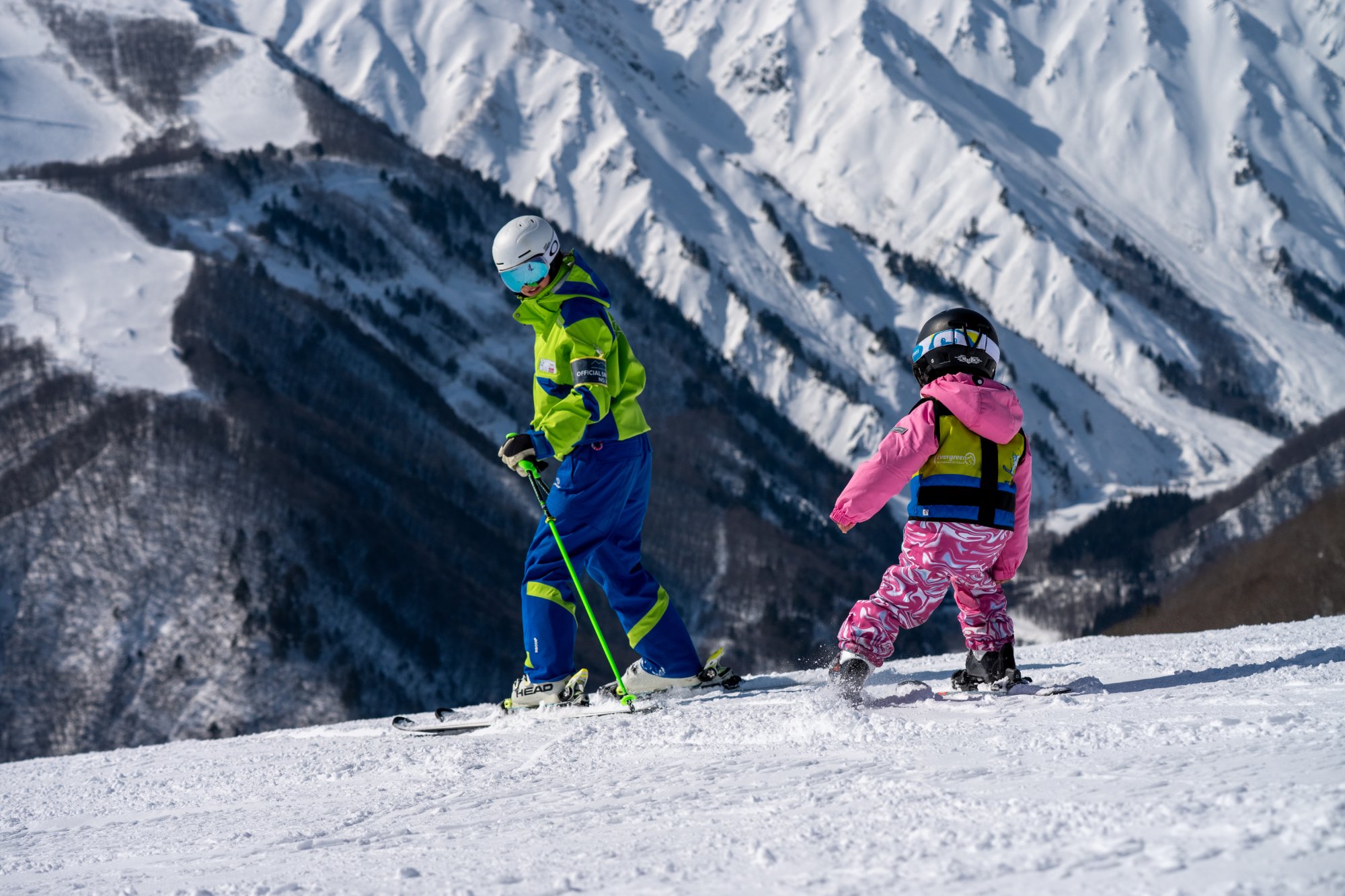
Travelplan recommends the following Snow Schools and we will offer our advice on the best school for your needs.
Evergreen International
Specialists in children's programmes — Yeti Club for ages 3–6 and Hakuba Heroes for ages 7–14. English-language instruction, lunch included, and full-day childcare available.
Frontier Snow School
All-inclusive packages that bundle equipment rental with lessons — ideal for first-timers who want a seamless start to the holiday.
Hakuba Ski Concierge
100% private lessons combined with door-to-door resort transport. Perfect for families and groups who want a tailored, stress-free experience.
NBS Japan Snowsports School
Multi-resort operation staffed by internationally certified instructors. Lessons available across the valley.
WHAT'S NEW
New for 26/27
A major gondola upgrade is under way at Happo-One — here is what is coming and what it means for your trip.
The 2026/27 season brings several exciting developments to Hakuba Valley.
Goryu Opens 21 November 2026
Goryu confirms a firm opening date of 21 November 2026. The Toomi base area features new artificial ice-snow production powered by 100% renewable energy, ensuring reliable early-season coverage.
New Gondola at Happo-One
The 40-year-old Adam Gondola at Nakiyama base is replaced by a brand-new 10-person gondola, increasing cable speed from 4 to 6 m/s for faster access to upper terrain.
New Happo Base Terminal
A new centralised base terminal at Happo-One opens for the season, featuring expanded retail, additional dining options, and 230-car parking.
Spicy Rentals Expands
Spicy Rentals adds a new store at Tsugaike, bringing their network to five valley-wide hubs.
BEYOND THE SLOPES
Activities
From steaming onsen to snow monkeys, sake tastings to temple visits — Hakuba delivers far more than skiing.
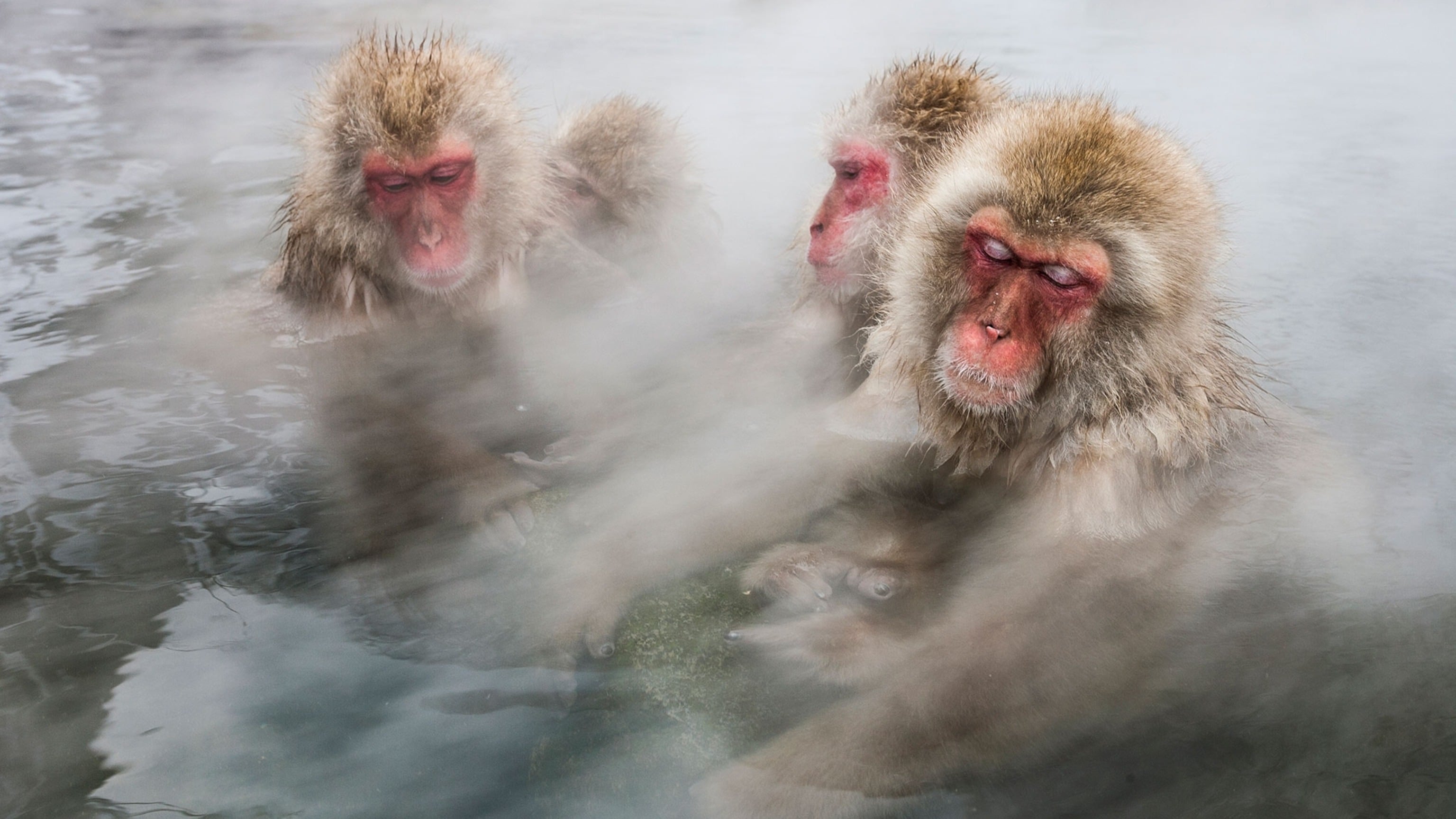
Onsen & Hot Springs
Soak in natural hot springs after a day on the slopes. Public onsen include Mimizuku Onsen and Hakuba Happo Onsen, while many ryokan and hotels offer private baths. Travellers with tattoos should check each onsen's admission policy — private onsen may be a practical alternative.
Snowshoeing & Winter Walks
Explore the valley's forests and trails on guided snowshoe tours. A peaceful way to experience the winter landscape away from the ski slopes.
Fat Biking & Snow Activities
Snowmobile tours, designated snow-play areas, and fat biking offer alternative thrills. Hakubounce trampoline park and Hakuba Mini Golf provide indoor entertainment for rest days.
Iwatake Sightseeing
Ride the Iwatake gondola for spectacular Northern Alps panoramas, visit the Mountain Harbour café and try the Yahoo Swing — all without needing skis.
Jigokudani Snow Monkeys
A popular day trip from Hakuba — watch Japanese macaques bathing in their own natural hot spring pool at Jigokudani Monkey Park, approximately 90 minutes from the valley.
Cultural Excursions
Visit Zenkoji Temple in Nagano (one of Japan's most important Buddhist temples), explore historic Matsumoto Castle, or tour the Matsumoto City Museum of Art. Sake brewery visits are also available in the region.
FOOD & DRINK
Dining
From steaming bowls of ramen to intimate izakaya dining — Hakuba's food scene is a highlight of any visit.
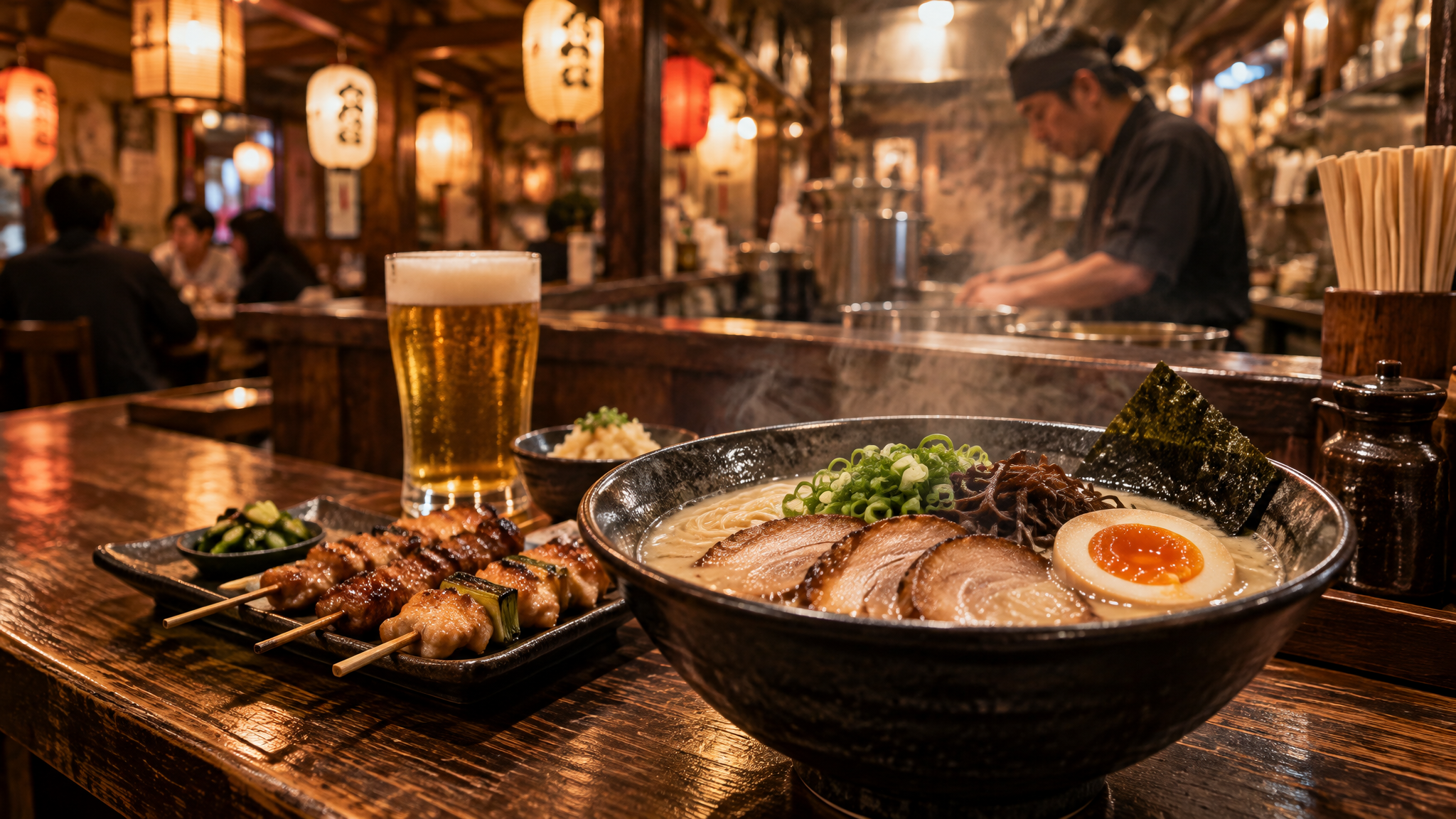
How to Book
Three platforms cover most Hakuba restaurants:
TableCheck
The primary booking system used by the widest variety of local restaurants and izakayas. Book at tablecheck.com.
Hakuba Hotel Group Dining Portal
Book HHG venues including The Rabbit Hole, Mimi's, Blizzard Pizza, Tori Co. and The Clubhouse at hakubahospitalitygroup.com.
HAKUBA Do
Integrates TableCheck with the Hakuba Night Demand (HND) AI taxi service — book your restaurant and taxi home in one place at HAKUBA Do.
Dining in Hakuba is concentrated around Echoland, Happo Village and Wadano, with options ranging from casual to refined:
- Ramen: Rich tonkotsu, miso and shoyu ramen shops throughout the village
- Soba noodles: Nagano Prefecture is famous for its buckwheat soba — a must-try
- Izakaya: Traditional Japanese pub-style dining with small plates, yakitori, tempura and local sake
- International: Italian-Japanese fusion (including the well-known VIVE), burgers, pizza and Western comfort food
- Mountain dining: On-mountain restaurants and huts offer warming lunches with views
Tips:
- Many restaurants are small — arrive early or make reservations during peak season
- Cash is preferred at smaller establishments
- Don't miss trying local Nagano specialties: oyaki (stuffed dumplings), nozawana pickles and Shinshu beef
Dining Websites
Use these sites to browse menus, read reviews and book ahead. Popular restaurants fill up quickly during Christmas, New Year and Chinese New Year.
Find & Book a Restaurant
Restaurant Guides
On-Mountain & Resort Dining
FOOD & DRINK
Après & Nightlife
The valley comes alive after dark — from craft beer bars to lively international pubs and cosy Japanese izakayas.
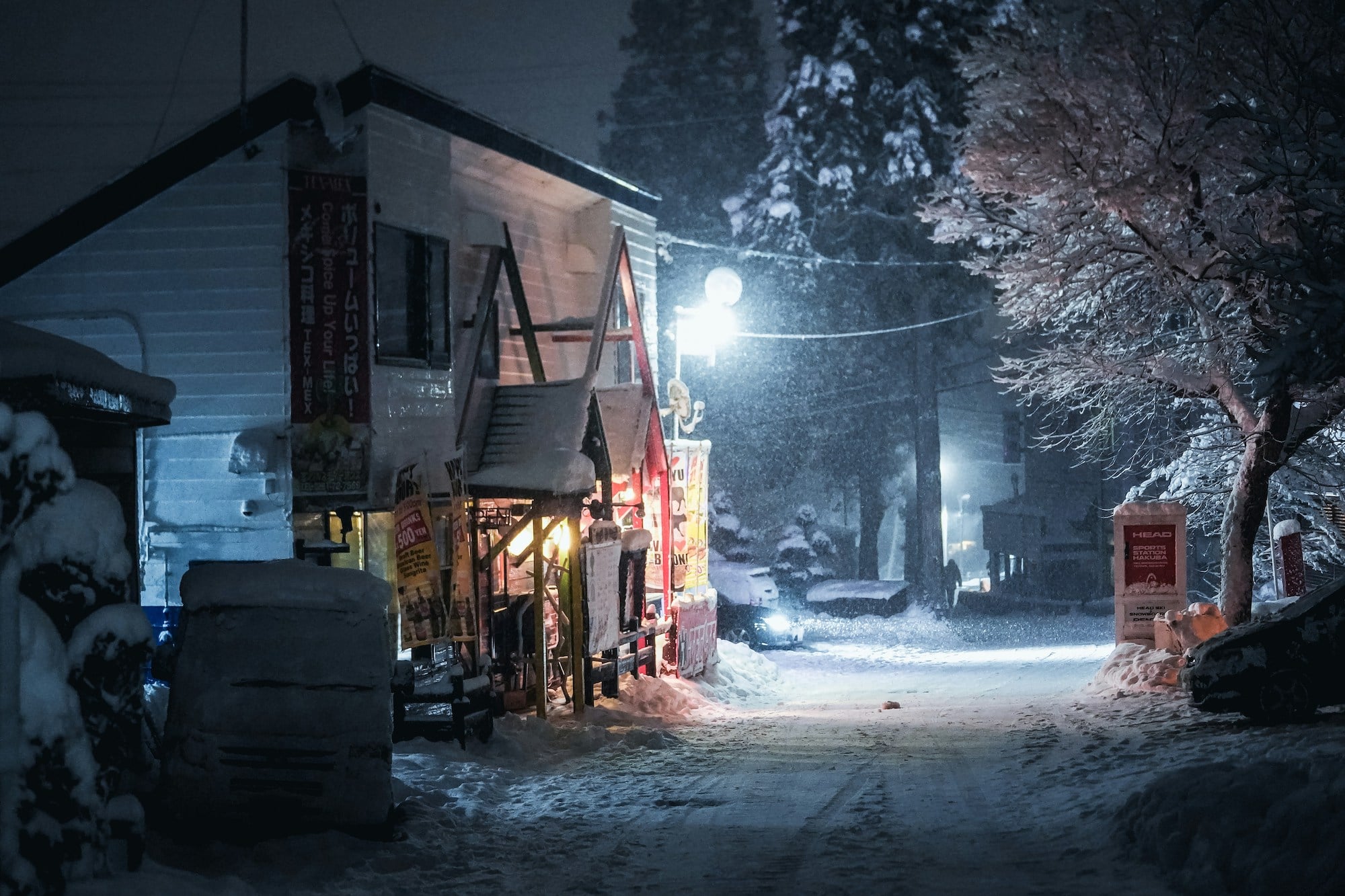
Hakuba's après-ski and nightlife scene is centred around Echoland and Happo Village. Popular venues include:
- Mockingbird — craft cocktails and live music
- Holy Smokes — BBQ and craft beer
- Studio 902 — DJ nights and dancing
- Cherry Pub — relaxed bar atmosphere
The scene is lively but not overwhelming — perfect for unwinding after a powder day. Many venues are within walking distance of central accommodation.
Transport: Night buses and shared demand taxis operate seasonally. Standard taxis are available but can be scarce during peak times. Check hours, fares and equipment restrictions.
PRACTICAL
Groceries & Shopping
Stock up on supplies at local convenience stores and supermarkets, or browse ski gear and souvenirs.
For guests staying in self-contained accommodation, several options are available:
- Convenience stores: 7-Eleven and Lawson outlets operate in the valley area
- Supermarkets: Ask your accommodation about the nearest food shop and seasonal opening hours
- Ski gear: Patagonia and The North Face have operated retail stores in the Hakuba area
- Souvenirs: Local shops offer Japanese crafts, Nagano specialty foods and ski-themed gifts
Tips:
- Carry cash — smaller shops may not accept cards
- Opening hours may vary seasonally
- Stock up before arriving if staying in remote accommodation
PRACTICAL
Other Info
Essential practical information for Australian travellers heading to Japan's Northern Alps.
Money
Japan uses the Japanese yen (¥). Cards are increasingly accepted, but carry cash for smaller businesses, taxis, lockers and local purchases. ATMs at convenience stores (7-Eleven, Lawson) accept international cards.
Language
Japanese is the everyday language. English is widely used by international ski schools and many visitor-facing businesses, but not universally. Offline maps, a translation app and your accommodation address written in Japanese are useful.
Connectivity
Wi-Fi is common in accommodation and selected cafés or base facilities. An eSIM, local SIM or pocket Wi-Fi is advisable for maps, live operations and safety alerts across the mountain.
Power
Japan uses 100 V electricity and Type A two-flat-pin plugs. Australian appliances need a suitable adaptor. Check whether high-wattage devices need a transformer.
Tipping
Tipping is not customary in Japan. Good service is included in the price. Follow any guide or operator's stated gratuity policy rather than assuming a tip is expected.
Safety
Wear a helmet. Snowboard leashes are required. Do not enter closed terrain. Buy comprehensive travel insurance covering skiing. Emergency numbers: Police 110, Ambulance/Fire 119. JNTO Hotline: 050-3816-2787 (24 hrs).
Powder-Day Clothing
Bring waterproof, breathable outerwear, insulated layers, goggles with a low-light lens, warm socks and waterproof gloves. A powder skirt, wrist gaiters and spare dry gloves are useful for deep snow days. Helmets are strongly recommended.
Altitude & Weather
Resort bases and summits are below typical altitude-sickness levels, but cold, exertion and rapid weather changes can affect visitors. Drink water, pace the first day and protect exposed skin.
RESOURCES
Useful Links
The best official websites for planning your Hakuba trip, all in one place.
Bookmark these official websites for live conditions, lift tickets, transport and planning. Some resort and transport sites are mainly in Japanese, so a browser translation tool helps.
Official Valley & Resort Websites
Snow, Weather & Safety
Getting There & Around
Sightseeing & Travel Planning
Know someone heading to Hakuba? Share this guide with them.